What We Teach

Classes & Attire

A full range of disciplines for ages 2 to 18, taught by professionally trained instructors. Select a style below for a description and what to wear to class.

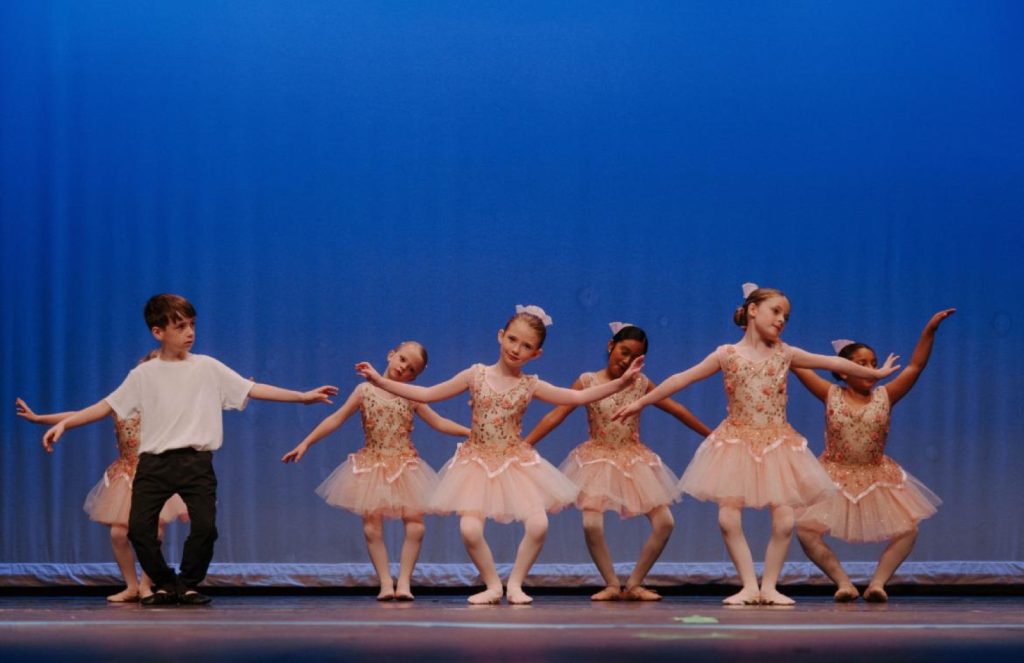
Ballet dancers performing on stage

The Ballet Family

Ballet

Our classical foundation track, from first steps to pointe work by invitation.

Mommy & Me

Ages 2–3

In this class moms join their babies to stretch, learn some basic ballet, and do fun games that help their dancers learn. This class helps them gain coordination, rhythm, and listening skills while also getting nice one-on-one time with their mommas every week! This class is great to get your babies comfortable with moving and being at Shalom so the next year they can do a class all by themselves!

Ages
2–3, with a parent in class

Creative Movement

Ages 3–4

Creative Movement is a great way for kids to learn coordination skills. It teaches them weight distribution, balance, following directions, and rhythm all while doing fun games, exercises, and little obstacle courses. We also incorporate some basic tumbling and ballet techniques. This is great for kids who have never been in a classroom setting and are more energetic.

Footwear
Barefoot
Attire
Black leotard, black skirt, and skin toned tights

Ballet

Ages 2–18

Ballet is an artistic art form of movement that uses precision and grace. These classes are designed to introduce basic technique, coordination, vocabulary, and the joy of dance. Dancers will also learn body alignment and develop their musicality and become well-rounded dancers with a strong technique foundation. We recommend that ALL dancers take ballet — it’s the core foundation of many genres.

Footwear
Pink ballet shoes
Attire
Black leotard, skin toned tights
Notes
Black, white, or pink skirt optional; hair pulled back neatly into a bun

Pre-Pointe

Invitation Only

Typically Ages 9–12

Pre-Pointe ballet classes are invitational-only classes designed to get dancers prepared and ready for their very first pair of pointe shoes. At Shalom Movement age is not necessarily a prerequisite, but dancers typically start pre-pointe classes around 9–12 years of age. This class focuses on building strong feet, ankles, legs and core muscles, and emphasizes correct body alignment and classical ballet technique. Pre-Pointe classes allow instructors to assess readiness before dancers move up to Pointe classes.

Footwear
Pink ballet shoes
Attire
Black leotard, black skirt, and skin toned tights
Notes
Hair pulled back neatly into a bun

Pointe

Invitation Only

Typically Ages 12–14

Pointe technique is part of the classical ballet technique where the dancer supports all body weight on the tips of fully extended feet within pointe shoes. At Shalom Movement age is not necessarily a prerequisite, but dancers typically start pointe classes around 12–14 years of age. Pointe requires strong ankles, feet, leg muscles, core and upper body. Pointe classes take dancers’ ballet training to the next level, focusing on strength, body alignment, balance, coordination and artistry. Pointe classes are invitation only.

Footwear
Pink ballet shoes
Attire
Black leotard, black skirt, and skin toned tights
Notes
Hair pulled back neatly into a bun
Jazz dancers performing on stage

The Jazz & Rhythm Family

Jazz & rhythm

Sharp technique and percussive footwork, from stage jazz to tap.

Jazz

Jazz dance is an upbeat, performance-based dance style that requires high energy, style and technique. There are several types of jazz dance including Broadway jazz, swing jazz, and contemporary jazz. Dancers will learn jumps and turns, posture, center control, as well as strong and sharp movements from jazz choreography.

Note: A classical ballet class is mandatory when taking jazz.

Footwear
Tan jazz shoes
Attire
Black leotard, black skirt, shorts or leggings, and skin toned tights
Notes
Hair pulled back neatly into a bun or ponytail

Tap

Tap dance is a style of dance characterized by using the sound of tap shoes striking the floor as a form of percussion. Tap focuses on rhythm, musicality and syncopation. Taking tap has many benefits for young dancers, such as improving coordination, strengthening feet, ankles and legs, as well as helping dancers develop a great sense of musical timing.

Footwear
Black tap shoes
Attire
Black leotard, black dance shorts or leggings
Notes
Tights optional; hair pulled back neatly into a bun or ponytail
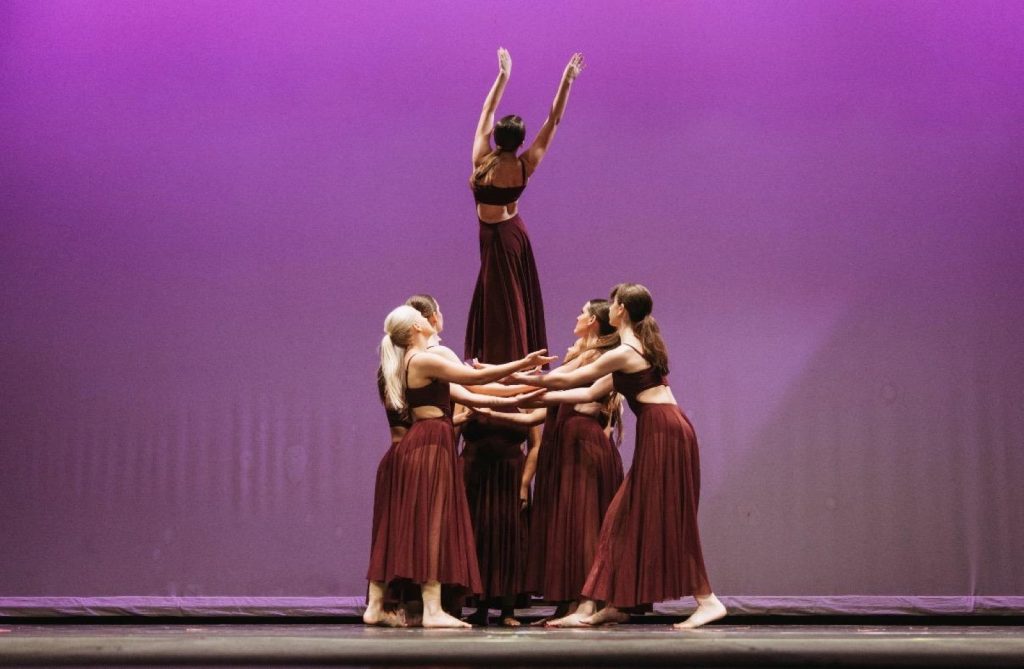
Contemporary dancers performing on stage

The Contemporary Family

Contemporary

Expressive, grounded movement that explores artistry beyond a fixed technique.

Contemporary/Lyrical

Contemporary dance is a style of expressive dance that combines elements of several genres including modern, jazz, lyrical, acro, and classical ballet. Dancers will learn how to move through floorwork, versatility and improvisation. Contemporary dance strives to connect the mind and body through rich, freeing and fluid dance movements.

Note: A classical ballet class is mandatory when taking contemporary.

Footwear
Foot paws or barefoot
Attire
Black leotard, loose black dance pants, black dance shorts or leggings
Notes
Tights optional; hair pulled back neatly into a bun or ponytail

Modern

Modern dance is a specific style of dance that focuses on expression over technique, filled with grounded movement that requires full body motions. Modern classes work through elements of Space, Time, Effort, Movement and Form, developing improvisation, choreography, spatial awareness and musical awareness. There are a few different modern techniques that we focus on, such as Martha Graham, Horton, and Gaga.

Footwear
Barefoot
Attire
Black leotard, black dance shorts or leggings
Notes
Tights optional; hair pulled back neatly into a bun or ponytail
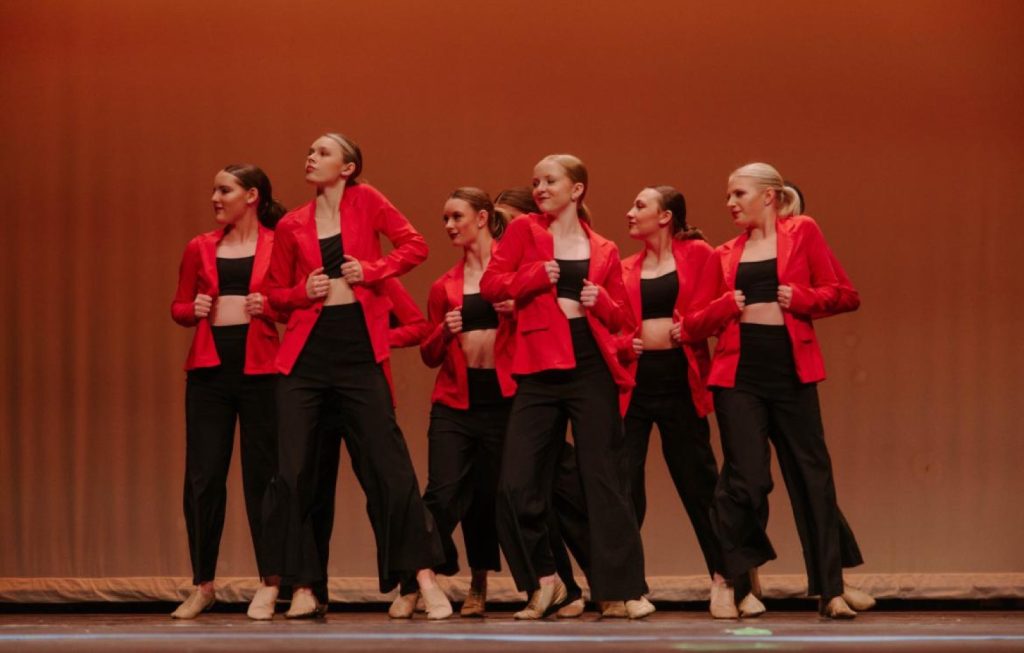
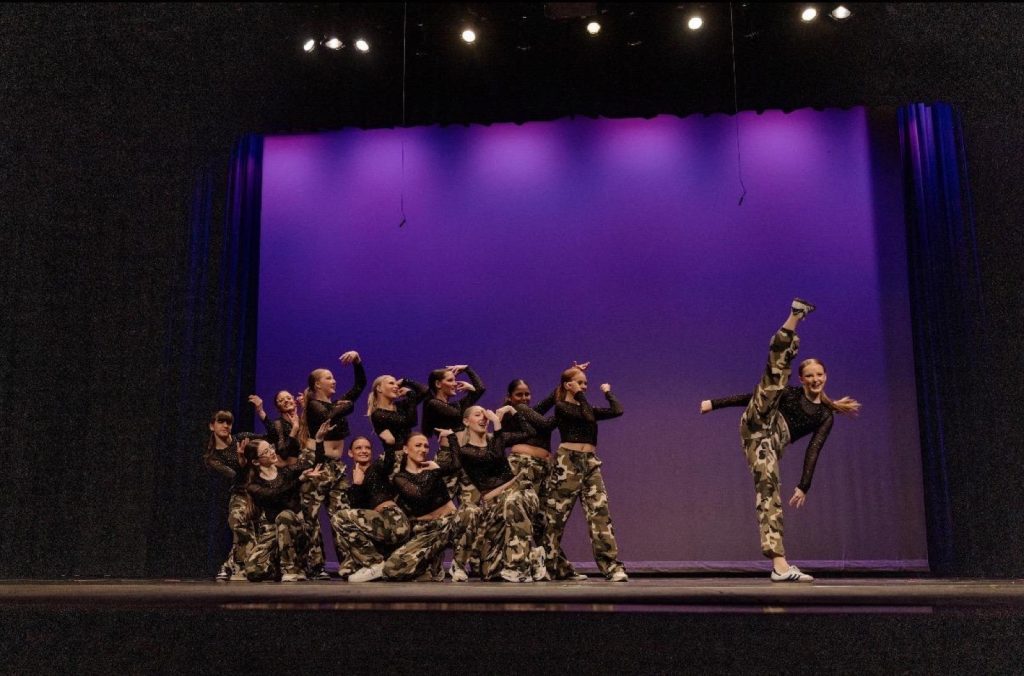
Hip-hop dancers performing on stage

The Street & Acro Family

Street & acro

Bold choreography and acrobatic strength, built for energy and performance.

Hip-Hop

Hip-hop dance classes involve a variety of styles ranging from breaking, locking and popping. Dancers will learn how to isolate different parts of their body, groove to different rhythms, and practice gaining self-confidence. Beginner to intermediate classes focus on the fundamental movement of grooves, body mechanics, and how to pick up choreographed movement; intermediate to advanced classes learn complex, challenging combinations and work on developing their own personal style.

Footwear
Sneakers
Attire
Black leotard or shirt, black dance shorts/leggings/sweatpants
Notes
Tights optional

Breakdance

Breakdance is an energetic and acrobatic style of dance typically performed to hip-hop or upbeat music. It is largely improvisational and includes stylized footwork and athletic moves such as spinning on knees, hands or head. Dancers will learn toprock, downrock, power moves and freezes.

Footwear
Sneakers
Attire
Gentlemen: black or SHALOM B-BOY t-shirt, black athletic pants. Ladies: black leotard or shirt, black dance shorts/leggings/sweatpants

Acro

Shalom Movement Acro/Tumble classes are based on safe and effective progressions with proven results in four divisions of Acro-Dance: flexibility, strength, balancing and tumbling. Students begin with basic exercises such as forward rolls, cartwheels, and beginner balances. More advanced students continue to add to their repertoire with advanced tumbling (back walkovers, back handsprings, aerials), balances and partner lifts. Acro class requires moderate to intense stretching to warm up the muscles and prevent injuries.

Footwear
Barefoot
Attire
Black leotard, black skirt, shorts or leggings, and skin toned tights
Notes
Hair pulled back neatly into a bun or ponytail

Competitive Team

Company I, II & III

Shalom Movement Companies are for dancers 7–18 years of age who desire a challenging and competitive team environment. Dancers are passionate, hardworking and committed to improving their gift of dance. Company Members are required to take a set number of dance class hours per week and will compete at 2 dance competitions during the spring season. Companies are leveled ultimately by skill level and overall technique; age is considered.

Ages 7–18

Leveled by skill, experience, and technique — age is considered.

2 competitions

Companies compete at two dance competitions each spring season.

Company leotard Tuesdays

Company leotard on Tuesdays; regular studio dress code all other days/classes.

Company Auditions for the 2027–2028 season: May 11, 2027

Ready to find your dancer's class?

Enroll today or check current tuition rates before you sign up.